By create_admin
Your garden lives or dies by the quality of your soil. You can build the fanciest raised beds and trellises, but if your dirt’s dead, your plants will struggle. This article is for gardeners and DIYers who want to build from the ground up—literally.
1. The Soil is Alive—Treat it That Way
Good soil isn’t just dirt. It’s a living system made up of:
- Minerals (sand, silt, clay)
- Organic matter (compost, decaying roots, dead bugs)
- Air & water pockets
- Microorganisms (bacteria, fungi, worms)
Think of soil as the gut microbiome of your garden. Healthy soil grows healthy plants, resists disease, drains well, and holds nutrients. Poor soil? It’s like trying to run a marathon on junk food.
2. Know What You’re Working With
You don’t need a lab to figure out your soil type. Grab a jar, some water, and a bit of your garden soil.
- Fill the jar halfway with soil.
- Top it with water, shake it up, and let it settle overnight.
- You’ll see layers: sand settles fast, silt in the middle, clay on top.
This gives you a rough idea of your soil composition. Here’s what to do with each type:
| Soil Type | Pros | Cons | Fixes |
|---|---|---|---|
| Sandy | Drains fast | Can’t hold nutrients | Add compost, mulch |
| Clay | Holds nutrients | Poor drainage | Add gypsum, compost |
| Silt | Fertile | Compacts easily | Add organic matter |
3. DIY Soil Improvement Methods
You don’t need to buy fancy soil blends. Here’s how to improve what you’ve got:
a. Add Organic Matter
Compost is king. Add 2–3 inches on top of your beds in spring and fall. Mix in gently or let rain and worms do the work.
Other sources:
- Leaf mold (decomposed leaves)
- Well-aged manure
- Grass clippings (thin layers only)
b. Sheet Mulching (a.k.a. Lasagna Gardening)
No tilling, no digging. Just layer:
- Cardboard or newspaper (weed barrier)
- Compost or manure
- Mulch (wood chips, straw)
Let it sit for 2–3 months or build directly on top. This suppresses weeds and feeds the soil.
c. When to Till (And When Not To)
Tilling breaks up compacted soil—but it also disrupts soil life. Only till if your soil is severely compacted. Otherwise, stick with no-dig methods.
4. Practical Planning Tips
If you’re building beds or prepping a big area, plan it right:
- Measure: Length × width × depth = cubic feet of soil needed
- Order wisely: One cubic yard = 27 cubic feet
- Source locally: Many cities offer free mulch or compost
- Amend annually: Compost in spring and fall, mulch year-round
5. Common Mistakes (And How to Dodge Them)
- Skipping soil prep: Don’t dump seeds into clay and hope for miracles.
- Compacting soil: Don’t walk on growing beds—build paths.
- Ignoring drainage: Water pooling? Add compost or raise the bed.
- Overdoing manure: Too much = salt buildup = burned plants.
- Using raw wood chips in soil: Fine as mulch, not as a soil mix.
6. Soil Prep Cheat Sheet
| Task | What to Do | When to Do It |
|---|---|---|
| Test soil | Jar test, squeeze test | Early spring or fall |
| Add compost | 2–3 inches on top | Spring + Fall |
| Mulch | 3 inches around plants | Year-round |
| Don’t till | Avoid unless compacted | Always |
| Rotate crops | Move plant families yearly | Each season |
Final Word: Start From the Ground Up
Soil isn’t sexy, but it’s everything. If you’re serious about gardening—from DIY raised beds to complex structures—you need a solid foundation. Take time to prep your soil now and you’ll save yourself months of frustration later.
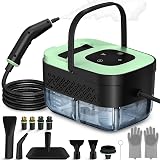
Steam Cleaner, Portable Steamer for Cleaning with 16pcs Accessories, 6-Level Adjustable and 15s Heat-Up, Handheld Steam Cleaner for Home, Tile, Dirt, Grout, Grease, Car Detailing, Light Green
$49.99 (as of October 14, 2026 22:00 GMT +00:00 - More infoProduct prices and availability are accurate as of the date/time indicated and are subject to change. Any price and availability information displayed on [relevant Amazon Site(s), as applicable] at the time of purchase will apply to the purchase of this product.)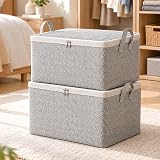
Home Storage Container, Zipper Closure Bin with Handles for Clothes and Blankets, Gray, 2PC
$5.82 (as of October 14, 2026 22:00 GMT +00:00 - More infoProduct prices and availability are accurate as of the date/time indicated and are subject to change. Any price and availability information displayed on [relevant Amazon Site(s), as applicable] at the time of purchase will apply to the purchase of this product.)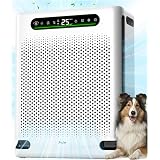
FreAire Air Purifiers for Home Large Room Up to 2600 Ft², HAP605 White | HEPA Air Purifier with Washable Filter and Real-Time PM2.5 Display, 20 dB Sleep Mode, Turbo Mode for Pet Hair, Dust & Smoke
$89.99 (as of October 14, 2026 22:00 GMT +00:00 - More infoProduct prices and availability are accurate as of the date/time indicated and are subject to change. Any price and availability information displayed on [relevant Amazon Site(s), as applicable] at the time of purchase will apply to the purchase of this product.)
Cinrobiye Halloween Trunk or Treat Car Decorations Kit, Spooky Nightmare Fantasy Theme with Button Design Backdrop for SUV Trunk, Garage Door, School Fall Festival and Halloween Party Decor
$32.99 (as of October 14, 2026 22:00 GMT +00:00 - More infoProduct prices and availability are accurate as of the date/time indicated and are subject to change. Any price and availability information displayed on [relevant Amazon Site(s), as applicable] at the time of purchase will apply to the purchase of this product.)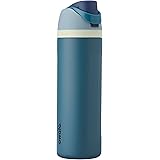
Owala FreeSip Stainless Steel Water Bottle 24 oz Denim
$29.99 (as of October 14, 2026 15:45 GMT +00:00 - More infoProduct prices and availability are accurate as of the date/time indicated and are subject to change. Any price and availability information displayed on [relevant Amazon Site(s), as applicable] at the time of purchase will apply to the purchase of this product.)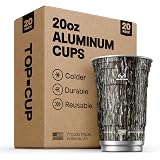
Top Cup Aluminum Party Cups, RealTree Original Camo, 20oz, 20 Count | Made in the USA, Colder, Durable, Reusable, Recycleable, Dishwasher Safe
$24.99 (as of October 14, 2026 22:00 GMT +00:00 - More infoProduct prices and availability are accurate as of the date/time indicated and are subject to change. Any price and availability information displayed on [relevant Amazon Site(s), as applicable] at the time of purchase will apply to the purchase of this product.)