 By create_admin
You don’t need acres to grow a productive garden—you just need to think vertically. Whether you’re training cucumbers up a trellis, creating a shady archway with pole beans, or building a sturdy cage for tomatoes, vertical supports unlock growing space and give your garden structure, airflow, and style.
This guide breaks down how to build vertical supports that last, fit your space, and actually work for the plants you grow.
1. Why Go Vertical?
Vertical growing is more than a space-saver—it’s a strategic upgrade.
Benefits:
- More production per square foot
- Healthier plants: Better airflow = less mildew and rot
- Easier harvesting
- Pest management: Keeps fruit off the ground
- Garden design: Adds visual interest and structure
Best crops for vertical growing:
- Tomatoes (indeterminate)
- Pole beans
- Peas
- Cucumbers
- Squash (with support)
- Melons (with slings)
- Grapes
- Vining ornamentals (like clematis or sweet peas)
2. Choose the Right Support for the Job
Not all vertical supports are built equal. Match the structure to the crop.
| Crop | Best Support Type | Height |
|---|---|---|
| Pole beans, peas | Arch or teepee trellis | 6–8 ft |
| Tomatoes | Cage or stake + string | 5–7 ft |
| Cucumbers | A-frame, wall trellis | 4–6 ft |
| Melons, squash | A-frame + netting or slings | 5–6 ft |
| Grapes | Arbor or pergola | 6+ ft |
3. DIY Trellis & Frame Materials
Build with what you’ve got—but choose smartly.
Common materials:
- Wood: Cedar, pine, or pressure-treated (avoid where edibles touch)
- Metal conduit: Lightweight, rust-resistant
- Cattle panels: 16-ft galvanized grid panels—cheap, durable, excellent for arches
- Wire mesh or fencing: Great for tomatoes or beans
- PVC pipe: Budget-friendly, easy to cut and shape
Tools you might need:
- Drill
- Saw
- Zip ties or wire
- Staple gun
- Fence clips
- Post driver (for panels or stakes)
4. How to Build 3 Essential Structures
A. The DIY Cattle Panel Arch
Best for: Cucumbers, beans, squash, melons
What you need:
- (1) 16′ cattle panel
- (4) T-posts or rebar stakes
- Zip ties or wire
Steps:
- Set your posts about 4–5 ft apart.
- Bend the cattle panel into an arch and secure it to posts.
- Optional: Drape with netting for extra grab space.
Why it rocks: You can walk through it, it looks amazing, and it holds serious weight.
B. Tomato Frame with String Support
Best for: Indeterminate tomatoes
What you need:
- (2) 6′ wood or metal stakes
- (1) horizontal top bar (wood, conduit)
- Twine or tomato clips
Steps:
- Build a simple overhead bar using T-posts and conduit.
- Tie a string from the top bar down to each plant.
- Wind tomato stems around the string as they grow.
Why it rocks: No cages needed, saves space, great airflow.
C. Teepee Trellis for Beans or Peas
Best for: Pole beans, climbing flowers
What you need:
- (4–6) bamboo poles or saplings
- Twine or zip ties
Steps:
- Lash tops together like a tripod.
- Space the bottoms in a circle.
- Wrap with string spirals for vines to climb.
Why it rocks: Easy to build, cheap, great for kids’ gardens too.
5. Where and How to Place Vertical Supports
Placement matters. Think sun, wind, and plant companions.
- North or west side of beds: So taller plants don’t shade others
- Stagger if needed: Don’t block airflow
- Anchoring: Pound posts deep or use brackets—don’t let supports tip
- Spacing: Give plants room to climb without tangling
6. Maintenance & Seasonal Use
- Check fasteners: Tighten zip ties, replace broken string
- Rotate crops: Avoid planting the same thing in the same trellis every year
- Clean materials: Remove old vines, disinfect cages if disease was present
- Winter use: Trellises double as snow fencing, seasonal décor, or bird feeders
7. Make It Look Good
Don’t just build for function—design it to last and look great:
- Add an arch at the entrance to your garden
- Paint wood for contrast (non-toxic paint only)
- Combine flowering vines with edible climbers
- Use symmetrical layouts to create rhythm and flow
- Hang garden lights or signs from your trellises
Keep It Simple, Keep It Sturdy
Vertical gardening isn’t just a hack—it’s a powerful tool. You can grow more, waste less space, and add a whole new dimension to your DIY garden. And you don’t need to spend a ton. Just a little planning, a few tools, and some grit.
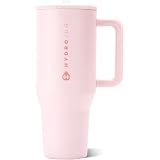
HydroJug Traveler 40oz, Insulated Water Bottle with Handle, Pink Sand | Triple wall insulated, flip straw lid, leak-resistant, stainless steel, cup holder friendly, BPA-free, dishwasher safe
$31.99 (as of October 14, 2026 15:45 GMT +00:00 - More infoProduct prices and availability are accurate as of the date/time indicated and are subject to change. Any price and availability information displayed on [relevant Amazon Site(s), as applicable] at the time of purchase will apply to the purchase of this product.)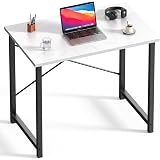
DUMOS 32 Inch Small Computer Desk, Home Office Desks for Bedroom, White | Modern Study Writing Work Table, Craft PC Gaming Desk Simple Workstation with Reinforcement Structure
$19.99 (as of October 14, 2026 22:00 GMT +00:00 - More infoProduct prices and availability are accurate as of the date/time indicated and are subject to change. Any price and availability information displayed on [relevant Amazon Site(s), as applicable] at the time of purchase will apply to the purchase of this product.)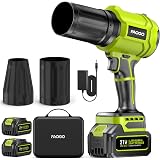
990,000 RPM Cordless Leaf Blower with 2 Batteries & Charger - Electric Handheld Blower, Lightweight, Double Run Time for Lawn, Yard, Patio, Garden Cleaning Green 1
$59.99 (as of October 14, 2026 22:00 GMT +00:00 - More infoProduct prices and availability are accurate as of the date/time indicated and are subject to change. Any price and availability information displayed on [relevant Amazon Site(s), as applicable] at the time of purchase will apply to the purchase of this product.)
upsimples 11x14 Picture Frame, Wall Decor Photo Frames, Black 1 Pack | 11 x 14 Frame, 8x10 Frame with Mat for Gallery Wall, Family, Baby, Dog, Dorm, Christmas
$6.29 (as of October 14, 2026 15:45 GMT +00:00 - More infoProduct prices and availability are accurate as of the date/time indicated and are subject to change. Any price and availability information displayed on [relevant Amazon Site(s), as applicable] at the time of purchase will apply to the purchase of this product.)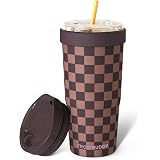
Frost Buddy Togo Buddy 30oz Tumbler - Insulated Stainless Steel | Coffee Koozie, To Go Cup Koozie, Iced Coffee Insulated Sleeve
(as of October 14, 2026 22:00 GMT +00:00 - More infoProduct prices and availability are accurate as of the date/time indicated and are subject to change. Any price and availability information displayed on [relevant Amazon Site(s), as applicable] at the time of purchase will apply to the purchase of this product.)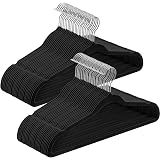
SONGMICS Velvet Hangers 50 Pack, Non-Slip Clothes Hangers, Black | Suit Hangers with Shoulder Notches, Pants Bar, 360° Swivel Hook, for Closet, Space-Saving, BREANNA Collection UCRF026B03S
$19.99 (as of October 14, 2026 22:00 GMT +00:00 - More infoProduct prices and availability are accurate as of the date/time indicated and are subject to change. Any price and availability information displayed on [relevant Amazon Site(s), as applicable] at the time of purchase will apply to the purchase of this product.)
 craftedgarden